
Exploring the historical evolution of gambling practices throughout the ages
The Ancient Origins of Gambling
Gambling practices can be traced back to ancient civilizations, with evidence found in archaeological sites across the globe. The earliest known forms of gambling date back to around 3000 BC in Mesopotamia, where people used six-sided dice made from bones. These early games often served both recreational and religious purposes, with rituals accompanying the casting of lots. Interestingly, the modern world also offers exciting options like casino BigClash, which reflects the continuous evolution of gambling.
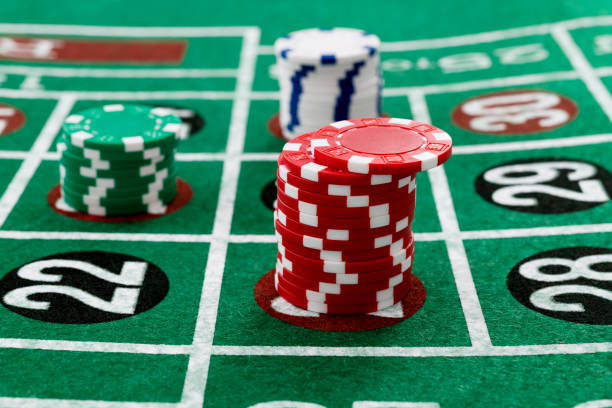
In ancient China, gambling was an integral part of social life, with references in texts dating back to the Shang Dynasty. Games such as Keno and the use of playing cards emerged, reflecting the evolution of gambling from simple dice games to more structured formats. These early practices laid the foundation for modern gaming, illustrating humanity’s long-standing fascination with chance and risk.
The Rise of Gambling in the Middle Ages
During the Middle Ages, gambling practices evolved significantly, particularly in Europe. The establishment of gambling houses, or casinos, became prominent during this period. Games such as chess and backgammon gained popularity among the nobility, while card games began to spread across social classes. This era marked the transition from informal betting to organized games with established rules.
Notably, gambling became intertwined with societal norms and laws, leading to the regulation of gaming in various regions. In some instances, kings and monarchs endorsed gambling, using it as a source of revenue through taxation. The combination of state interest and public enthusiasm contributed to the proliferation of gambling establishments throughout Europe.
The Impact of the Enlightenment and Industrial Revolution
The Enlightenment brought about new philosophies that shaped the understanding of chance and probability. Mathematicians such as Blaise Pascal and Pierre de Fermat laid the groundwork for probability theory, influencing the way gambling was perceived. This intellectual shift led to more strategic approaches to games of chance, inviting players to engage with mathematics as they played.
The Industrial Revolution further revolutionized gambling by introducing new technologies and mass production. Mechanical slot machines emerged in the late 19th century, captivating the public with their simplicity and potential for large payouts. This era marked a significant expansion of gambling, as establishments grew in size and sophistication, catering to an increasingly diverse clientele.
The Digital Transformation of Gambling
With the advent of the internet in the late 20th century, gambling underwent a dramatic transformation. Online casinos emerged, allowing players to engage in their favorite games from the comfort of their own homes. This accessibility attracted a broader audience, changing the demographics of gambling and creating an entirely new industry.
Technology continued to shape gambling practices with the introduction of mobile applications and live dealer games. Players now enjoy a seamless experience, engaging with real dealers in real-time, all from their smartphones. This digital evolution has made gambling more interactive, leading to an immersive experience that bridges the gap between virtual and real-world gaming.
Bigclash Casino: The Future of Gambling
As the landscape of gambling continues to evolve, Bigclash Casino stands at the forefront of online gaming in Australia. Offering a diverse library of over 3,000 games, including slots, table games, and live dealer experiences, Bigclash ensures that players have access to an extensive array of entertainment options.
With secure payment methods and 24/7 customer support, Bigclash Casino prioritizes user experience and safety. The exciting welcome bonus and weekly cashback offer further enhance the appeal of joining this online gaming destination, making it a perfect choice for both seasoned players and newcomers alike.